
Smarter Marketing Workflows: How AI Automation Changes the Game
Why AI-powered marketing workflows matter now
Marketing teams are operating under more pressure than ever. Audiences expect relevance, leadership expects measurable ROI and teams are expected to move faster with fewer resources. Traditional automation—built on static rules and rigid workflows can’t keep up with that reality anymore.
That’s where AI-powered marketing automation steps in.
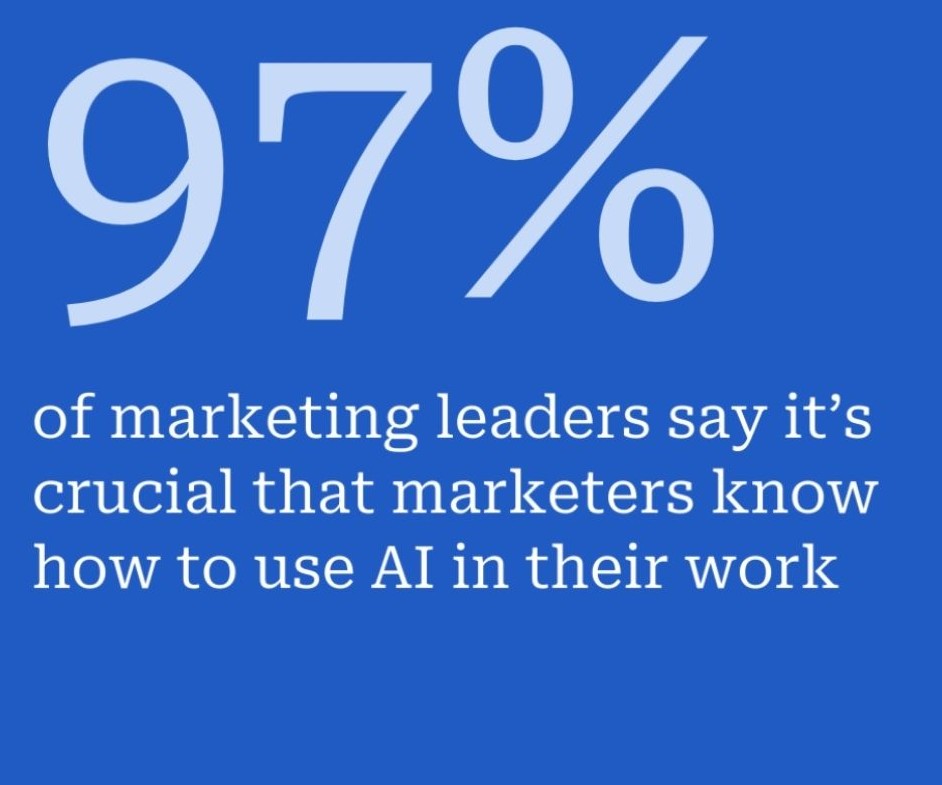
Instead of simply executing predefined tasks, AI-driven systems learn from behavior, adapt in real time and continuously improve performance. According to the Sprout Social Index™, nearly all marketing leaders now agree that understanding AI isn’t optional it’s essential to modern marketing work.
When implemented thoughtfully, AI marketing automation doesn’t just save time. It changes how teams think, plan and scale.
What AI marketing automation actually is
AI marketing automation blends artificial intelligence with core marketing workflows to dynamically manage campaigns, content, engagement and insights. Unlike traditional automation which follows “if this, then that” logic—AI-powered systems respond to live data, predict outcomes and optimize actions automatically.
For example, classic automation might trigger a follow-up email after a form fill. AI automation evaluates how that user behaves afterward, what similar users have done historically and what content is most likely to move them forward—then adjusts the next step accordingly.
Behind the scenes, machine learning models analyze massive data sets, identifying patterns across engagement, timing, sentiment and conversion behavior. With each interaction, the system gets smarter.
Key capabilities include:
- Predictive models that estimate churn risk, conversion likelihood and lifetime value
- Real-time personalization that adapts content instantly
- Self-optimizing workflows that adjust without manual input
- Advanced social listening that tracks sentiment and emerging trends
- Intelligent publishing that refines timing, format and messaging
Instead of guessing when or how to engage your audience, AI automation learns their habits and responds accordingly.
The biggest benefits of AI-driven marketing automation
Marketing leaders consistently face the same obstacles: limited bandwidth, fragmented data and rising expectations. AI-driven automation directly addresses those challenges.
Here’s where it delivers the most impact.
1. Less busywork, more strategic time
AI removes the repetitive, low-value tasks that slow teams down things like scheduling posts, sorting messages or scoring leads. That reclaimed time allows marketers to focus on strategy, creative direction and experimentation instead of maintenance work.
2. Personalization without manual effort
True personalization used to require massive teams or complex setups. AI changes that by building dynamic customer profiles based on behavior, preferences and engagement history. Content, timing and messaging adapt automatically at scale without overwhelming your team.
3. Clearer decisions backed by data
AI translates overwhelming volumes of marketing data into actionable insight. Predictive analytics, attribution modeling and real-time reporting reduce guesswork and help teams confidently justify decisions to leadership.
4. Reduced creative fatigue
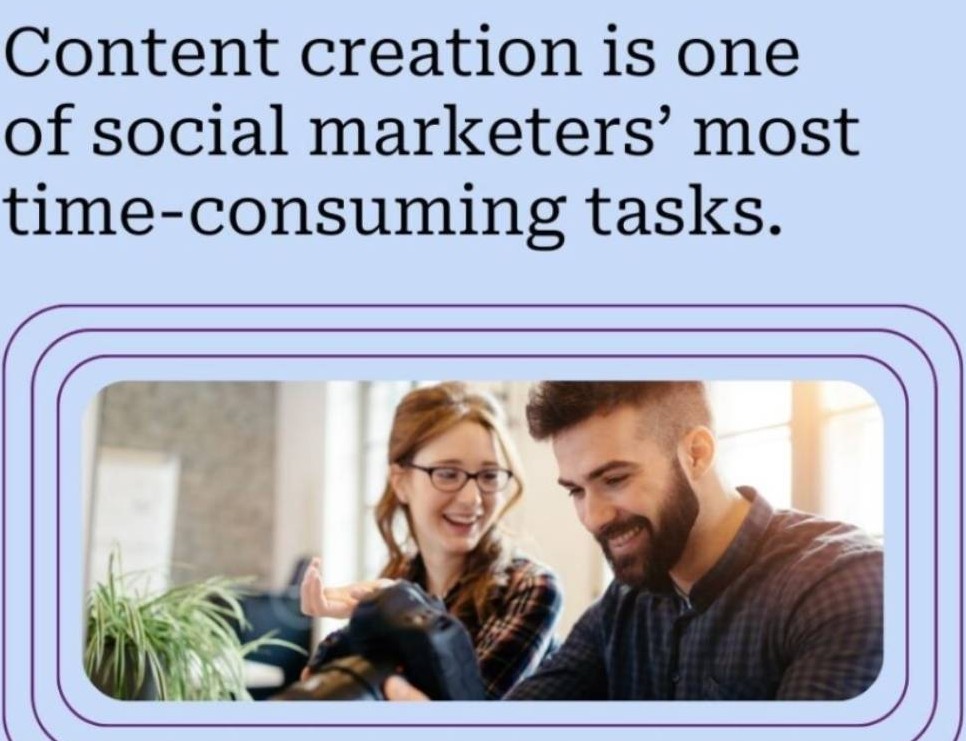
Content creation is one of the most draining aspects of modern marketing. AI helps by generating first drafts, suggesting variations and highlighting what actually performs well. Instead of replacing creativity, it protects it freeing teams to focus on higher-level ideas.
5. Smarter audience segmentation
AI-enhanced segmentation evolves continuously, factoring in real-time behaviors instead of static demographics. This results in more relevant campaigns, stronger engagement and higher conversion rates.
6. Scalable growth without added headcount
AI allows teams to increase campaign volume and complexity without increasing workload. Automation and optimization handle scale, so growth doesn’t come at the cost of burnout.
7. Shared visibility across teams
Unified dashboards give marketing, sales and leadership access to the same real-time insights. Performance, engagement and ROI become transparent, reducing silos and improving alignment.
Types of AI marketing automation (and where they fit)
AI marketing automation isn’t one tool it’s an ecosystem of capabilities that solve different problems.
AI-powered content creation
Modern AI tools assist with writing, editing and optimizing content across formats. From blog drafts and email copy to social captions and image alt text, these tools accelerate production while maintaining brand voice.
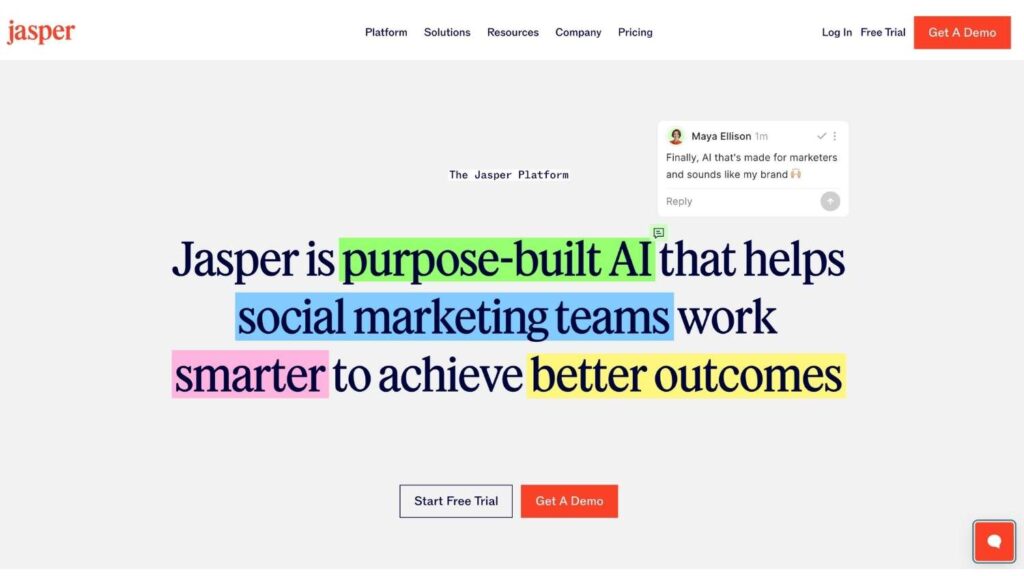
More advanced platforms adapt outputs based on audience response and historical performance, making content smarter over time.
Predictive analytics and lead intelligence
Predictive models analyze historical data to forecast future behavior. Marketers can identify high-intent leads, anticipate churn and prioritize outreach more effectively using AI-driven scoring.
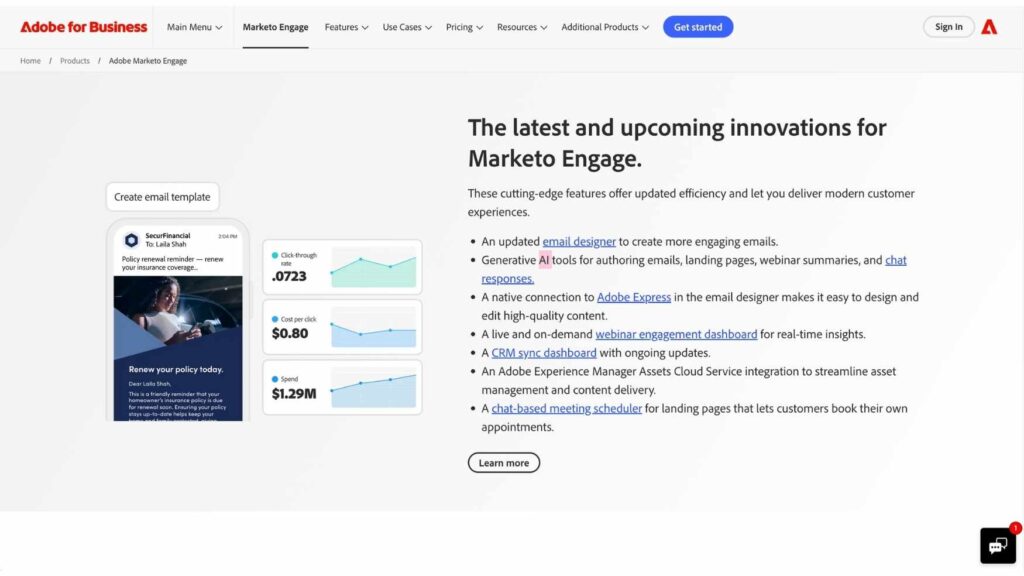
Adaptive customer journey automation
AI-driven journeys respond dynamically to customer behavior instead of forcing users down fixed paths. Campaigns evolve in real time, ensuring each message arrives when it’s most relevant.
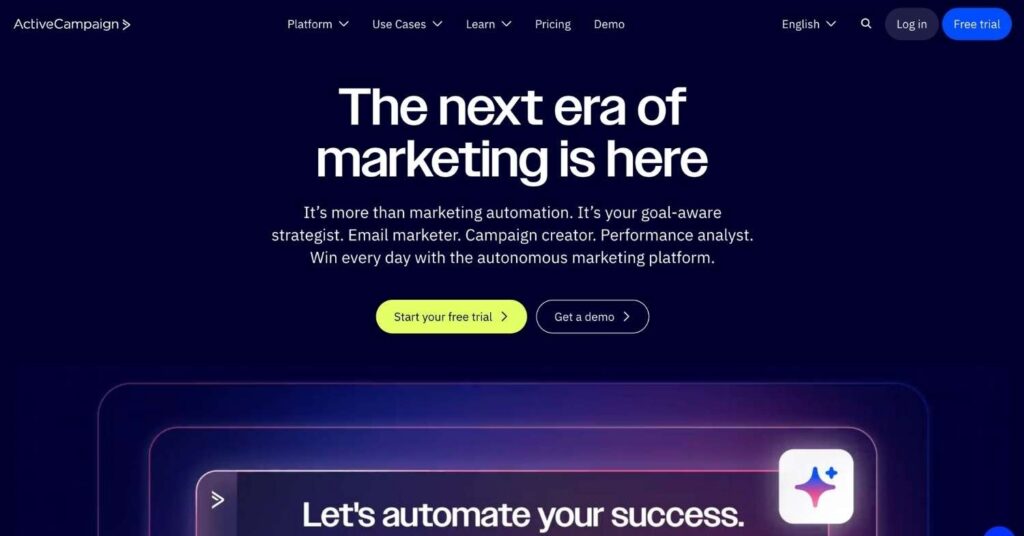
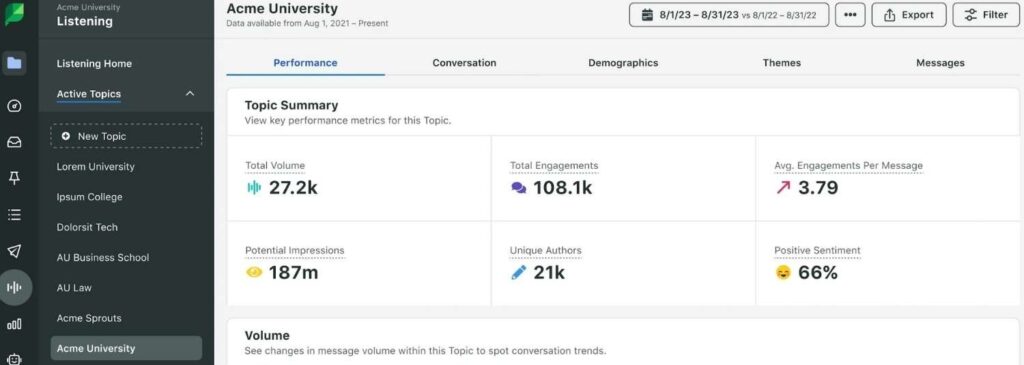
Social listening and sentiment intelligence
AI-powered listening tools analyze millions of conversations to surface trends, emotional context and emerging risks. This helps brands respond proactively instead of reacting after the fact.
Conversational AI and chatbots
Today’s chatbots handle far more than simple FAQs. They guide prospects, qualify leads, provide personalized responses and escalate complex issues to humans seamlessly improving both customer experience and efficiency.
Common challenges and how to avoid them
AI adoption isn’t without friction, but most issues are preventable with the right approach.
Build confidence through quick wins
Resistance often comes from uncertainty, not technology. Start with a single high-impact use case like message prioritization or content scheduling and track tangible results such as time saved or engagement gains.
Choose tools based on strategy, not hype
AI tools are everywhere. The best ones align directly with your team’s needs and integrate into existing systems. Prioritize platforms that reduce complexity rather than add to it.
Maintain trust through responsible use
Ethical concerns bias, privacy and transparency must be addressed early. Establish clear AI usage guidelines, ensure human oversight for sensitive interactions and be transparent about AI-generated content.
New insight: Consider appointing an internal “AI steward” role to oversee governance, performance reviews and ethical alignment as adoption grows.
AI marketing automation FAQs
Which AI tools work best for social media marketing?
The best tools integrate content creation, engagement, analytics and CRM connectivity in one platform. Unified systems reduce data silos and make AI adoption far more practical.
Why are chatbots so effective in AI marketing automation?
Chatbots provide instant support, collect valuable data and personalize engagement at scale. When integrated with CRM systems, they improve response times, qualify leads and reduce operational costs while still offering human handoff when needed.
How Ramp Digital Helps Teams Turn AI Into Real Results
AI marketing automation isn’t about adopting more tools it’s about building smarter systems that actually work together. That’s where Ramp Digital comes in.
We help businesses move beyond surface-level automation and design AI-powered marketing workflows that drive measurable growth. From strategy and tool selection to implementation and optimization, our team ensures AI supports your goals not complicates them.
Ramp Digital works with growing teams to:
- Identify the highest-impact AI use cases for their business
- Design intelligent workflows that scale without increasing headcount
- Integrate AI seamlessly into existing marketing and CRM systems
- Build governance frameworks that balance performance, ethics and transparency
- Turn data into clear, actionable insight leadership can trust
Whether you’re just beginning to explore AI automation or looking to mature what you already have, we focus on practical outcomes faster execution, smarter decisions and stronger ROI.
The future of marketing belongs to teams who know how to work with AI, not around it.
Ramp Digital helps you get there confidently, responsibly and at speed.