
Facebook Automation: A Practical, Brand-First Guide for 2026
Managing Facebook alongside Instagram, TikTok, LinkedIn and whatever launches next can feel like a full-time juggling act. For most brands, the challenge isn’t creativity it’s capacity.
That’s where Facebook automation comes in. When used correctly, automation doesn’t replace your brand voice or human connection. It protects them by freeing your team from repetitive work and giving them more time to focus on strategy, storytelling and customers.
This guide breaks down Facebook automation in a way that’s practical, ethical and results-driven. No fluff. No shortcuts that risk your account. Just real ways to scale your Facebook marketing without losing authenticity.
What is Facebook automation?
Facebook automation is the use of software, rules and AI-powered systems to handle repetitive Facebook tasks with minimal manual input. These tools work in the background to keep your page active, responsive and optimized.
Automation is best used for predictable actions not emotional or nuanced interactions.
Common Facebook automation use cases
- Scheduling and publishing posts
- Responding to frequently asked questions
- Routing inbox messages to the right team
- Optimizing ad budgets and placements
- Tracking performance and reporting
The golden rule: automate operations, not relationships.
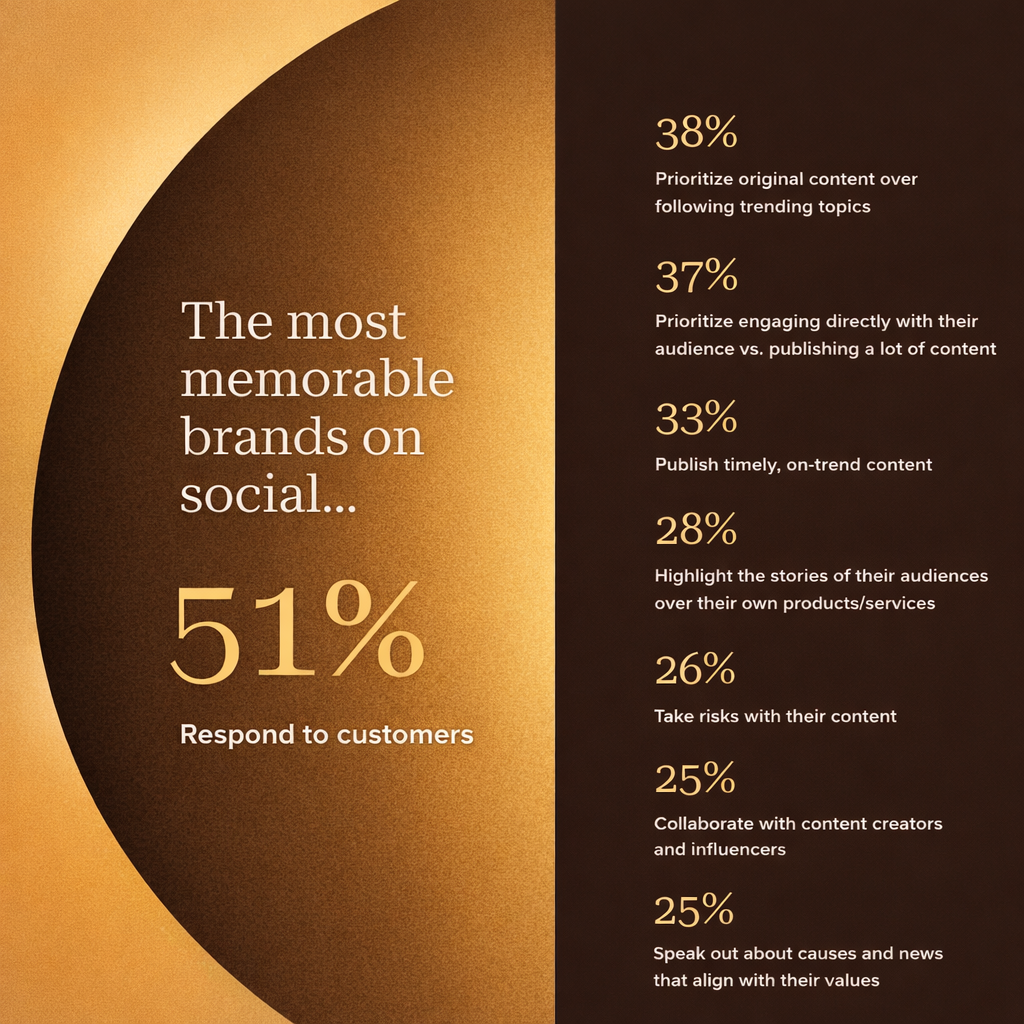
Why brands use Facebook automation
Social media teams today are expected to do more with less more platforms, more content, faster responses, tighter budgets. Automation helps close that gap.
Key benefits of Facebook automation
1- Time savings without sacrificing quality
Routine tasks like scheduling posts or answering basic questions can take hours every week. Automation handles these quietly so your team can focus on campaigns, creative and community building.
2- Faster response times
Audiences expect quick replies. Automation allows brands to acknowledge messages instantly even outside business hours while still escalating complex issues to real humans.
3- Consistent brand presence
Automation helps maintain a steady publishing rhythm, reducing gaps in posting that can hurt reach and visibility.
4- Smarter decisions through data
Automated analytics and reporting make it easier to spot trends, measure content performance and adjust strategy before small issues become big ones.
Added insight: Brands using automation responsibly often see improvements in engagement consistency not just volume because posting becomes intentional instead of reactive.
How brands use Facebook automation effectively
Think of automation as your behind-the-scenes assistant. It prepares the workspace so your team can perform at their best.
Facebook publishing automation
Publishing automation allows you to plan and schedule posts in advance. Instead of scrambling daily, you build content in batches and let your calendar work for you.
Best practices:
- Schedule evergreen and promotional content ahead of time
- Leave space for real-time posts and trends
- Review scheduled content regularly to avoid posting during sensitive moments
Consistency builds trust but flexibility keeps you human.
Facebook message and comment automation
Chatbots and auto-replies are ideal for:
- Business hours
- Location and contact details
- Order status or booking links
- Basic product questions
What not to automate:
- Complaints
- Refund issues
- Emotional or sensitive conversations
Facebook ads automation
Facebook’s ad system already relies heavily on automation. Brands can enhance results by setting rules that:
- Increase budgets for high-performing ads
- Pause underperforming campaigns
- Notify teams when KPIs cross thresholds
Automation doesn’t mean “hands-off.” It means fewer manual adjustments and more strategic oversight.
How to set up Facebook automation (step-by-step)
Step 1: Define what should be automated
List tasks that are repetitive, predictable and time-consuming. If it requires judgment or empathy, it stays manual.
Step 2: Choose the right tools
Decide whether native Meta tools are enough or if you need a third-party platform for deeper analytics, collaboration or reporting.
Step 3: Set clear rules and workflows
Automation only works when rules are precise. Vague triggers lead to poor experiences.
Step 4: Test before scaling
Run automation on a small set of posts or messages. Monitor results and refine before rolling it out fully.
Facebook automation best practices
Balance efficiency with authenticity
Automation should support your voice not replace it.
Keep brand tone consistent
Automated replies should sound like your brand, not a generic script.
Review automation regularly
Audience behavior changes. Your workflows should too.
Use automation to support teams not replace them
The goal is better work, not fewer humans.
Popular Facebook automation tools in 2026
Different tools serve different needs. Here’s a simplified breakdown:
- All-in-one platforms: Best for enterprises and agencies managing multiple brands
- Native Meta tools: Ideal for small businesses with simple needs
- Scheduling-focused tools: Useful for creators and content-heavy teams
- Analytics tools: Best for research, benchmarking and competitive insights
Choosing the right stack depends on team size, goals and complexity not hype.
What the future of Facebook automation looks like
Automation is getting smarter but also more selective.
Emerging trends include:
- AI-driven post timing based on real engagement patterns
- Sentiment detection that escalates emotional messages
- Deeper integration with CRMs and customer support tools
The brands winning in 2026 won’t automate everything. They’ll automate intentionally.
How Ramp Digital helps brands win with Facebook automation
At Ramp Digital, we don’t believe in automation for automation’s sake. We build systems that protect your brand voice, improve performance and actually save time.
What we do differently
- Strategy-first automation: We map automation to your business goals—not just tools
- Custom workflows: No copy-paste setups that sound generic or risky
- Human-centered design: Bots assist, humans lead
- Performance tracking: Clear metrics tied to growth, not vanity numbers
Whether you’re scaling ads, managing customer conversations or trying to bring order to your content calendar, Ramp Digital helps you automate the right way—without losing what makes your brand human.
Ready to simplify Facebook without sacrificing connection?
Let Ramp Digital design an automation strategy that works with your team, not instead of it.