
7 Social Media Trends That Will Shape 2026
Social media is entering a new era one where attention is harder to earn, audiences are more selective, and brands are expected to show up with purpose. Performance data and shifting consumer behavior point to one clear reality: success in 2026 won’t come from chasing every trend, but from building meaningful, human-centered experiences.
Drawing on recent industry insights and expert perspectives, here are the seven social media trends that will define how brands connect, grow, and compete in 2026.

1. Video Continues to Dominate But Strategy Matters More Than Ever
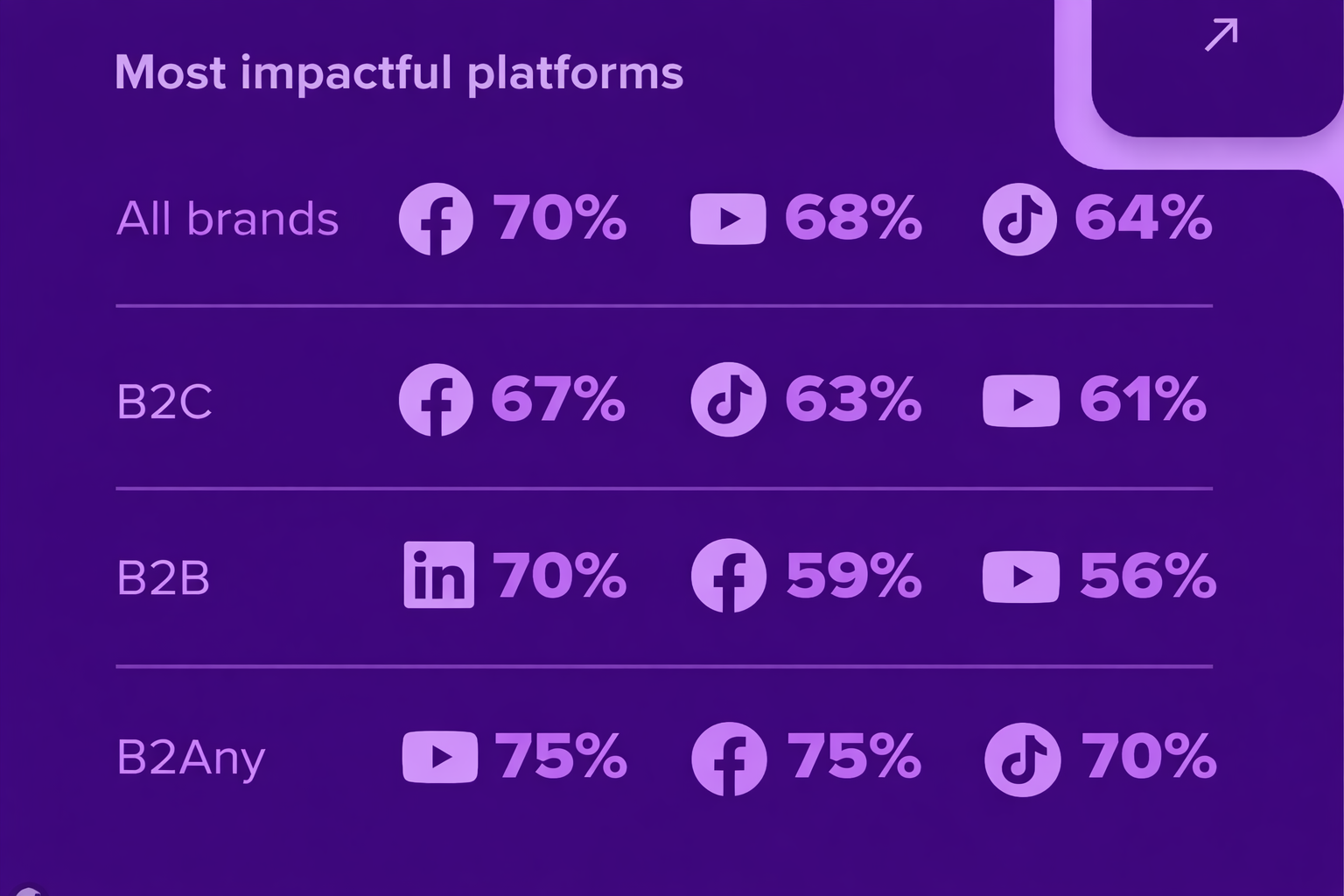
Video remains the most powerful format across social platforms, but its role is evolving. Short-form clips still drive discovery and engagement, while longer videos are becoming essential for storytelling, education, and brand depth.
Platforms are blurring the lines between entertainment and search, between short and long content. TikTok now supports longer uploads, YouTube Shorts has expanded its time limits, and Instagram continues to push Reels as a primary distribution engine.
The takeaway isn’t just “make more video.” It’s make the right video for the right platform. Audiences expect fast, snackable content in their feeds but they’re also willing to spend time with brands that offer substance, personality, and narrative elsewhere.
What brands should do:
Treat video as a system, not a single format. Design short clips for discovery and long-form videos for trust-building. Adapt your storytelling style to how people actually use each platform.
2. AI-Created Content Becomes Normal but Not the Star
AI tools are now embedded in nearly every part of the social media workflow, from caption writing to video editing and image generation. By 2026, AI-generated content won’t feel novel it will feel expected.
But widespread use brings new risks. As AI content floods feeds, audiences are becoming more sensitive to what feels artificial or misleading. Many users are comfortable with AI helping behind the scenes, but far less comfortable when brands present AI-generated content without transparency.
AI’s real value lies in speed, scale, and experimentation, not replacing human creativity.
What brands should do:
Use AI to support ideation, production, and efficiency but keep humans in charge of voice, values, and storytelling. Be open about AI usage when it’s visible, and prioritize emotional authenticity over technical perfection.
3. Ongoing Content Series Will Outperform One-Off Posts
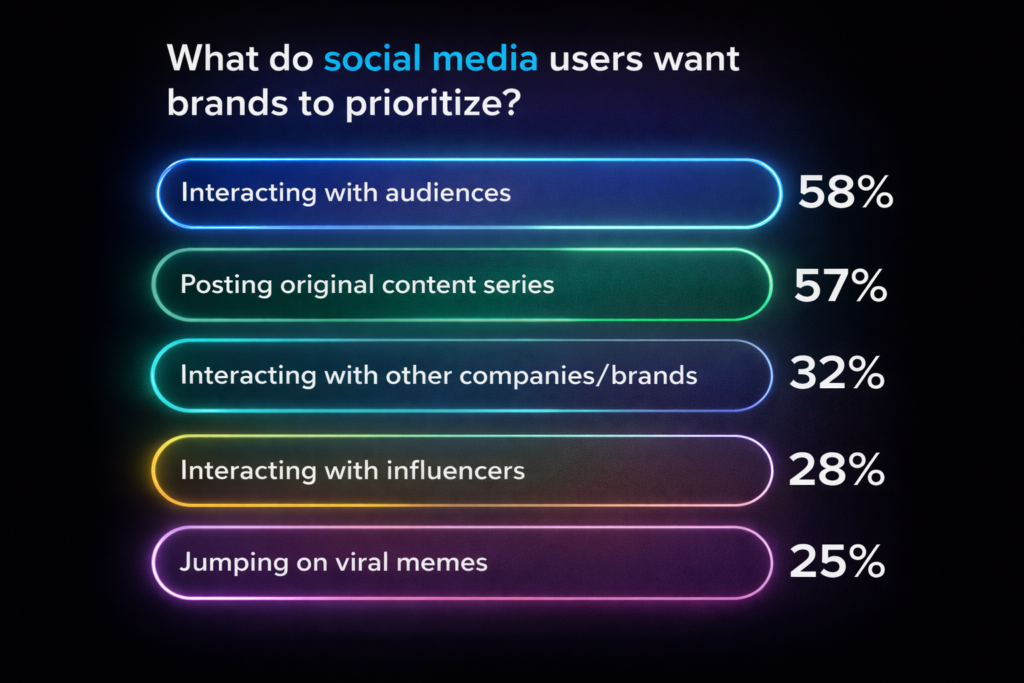
Audiences are increasingly drawn to familiarity. Instead of isolated viral posts, they want formats they can recognize, revisit, and follow over time.
Serialized content—whether weekly videos, recurring characters, or episodic behind-the-scenes stories—creates anticipation and emotional investment. It mirrors the way people consume TV shows, podcasts, and creator content.
What matters most isn’t high production value, but consistency and personality. When viewers know what to expect and who they’re showing up for, they’re far more likely to stay engaged.
What brands should do:
Develop repeatable content formats anchored in people, not logos. Build story arcs, recurring themes, or recognizable faces that audiences can grow attached to.
4. Community and Meaning Will Matter More Than Reach
Social feeds are more crowded than ever, and audiences are exhausted by constant promotion. In response, brands are shifting away from volume-driven posting toward intentional, community-focused content.
Virality is unpredictable and fleeting. Resonance lasts longer.
The brands that stand out in 2026 will be those that make people feel included—through shared language, inside jokes, niche references, or interactive storytelling. Belonging is becoming one of the most powerful currencies in social media.
What brands should do:
Stop measuring success solely by impressions. Focus on content that strengthens identity, loyalty, and participation—even if it reaches fewer people.
5. Engagement Will Drive Strategy, Not Just Metrics
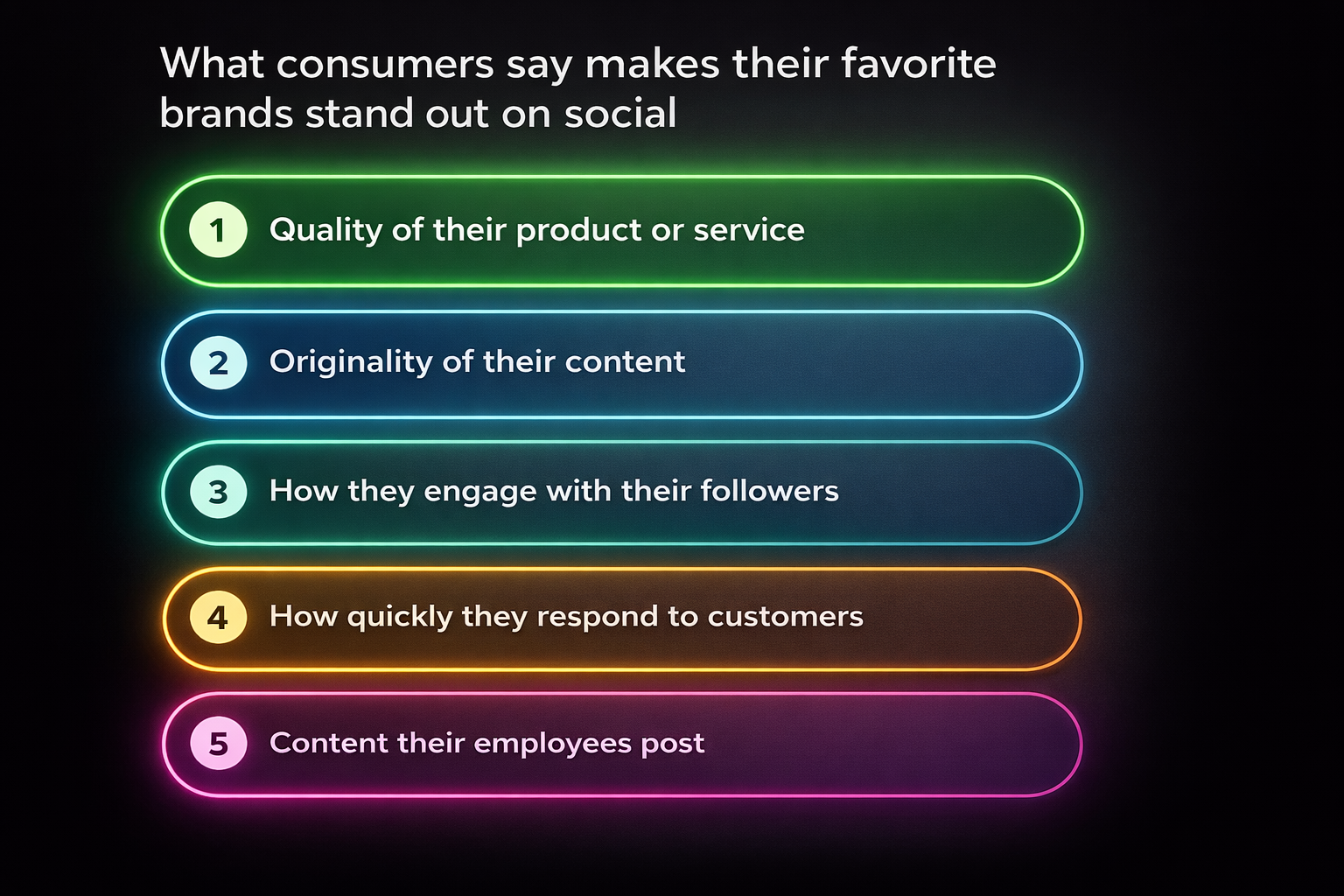
Posting content is no longer enough. How brands respond, interact, and participate in conversations now plays a major role in visibility and trust.
Consumers expect quick replies, thoughtful interactions, and genuine dialogue. Brands that fail to respond—or respond too slowly—risk losing customers altogether.
At the same time, community management is shifting from reactive to proactive. Brands are creating micro-communities, rewarding superfans, and using social listening to anticipate needs before they’re voiced.
What brands should do:
Invest in engagement as a core function, not an afterthought. Use data to understand sentiment, spark conversations, and build relationships that extend beyond the comment section.
6. Human Stories Will Outshine Polished Perfection
As AI content and trend-chasing increase, audiences are gravitating toward what feels real. Imperfections, lived experiences, and emotional honesty are becoming more compelling than flawless execution.
People don’t connect with brands they connect with people. That’s why creator partnerships, employee-led content, and customer stories continue to outperform overly scripted campaigns.
Virtual influencers and AI-generated personas may gain attention, but many consumers remain skeptical of them. Trust is still built through real voices and real experiences.
As AI content and trend-chasing increase, audiences are gravitating toward what feels real. Imperfections, lived experiences, and emotional honesty are becoming more compelling than flawless execution.
People don’t connect with brands—they connect with people. That’s why creator partnerships, employee-led content, and customer stories continue to outperform overly scripted campaigns.
Virtual influencers and AI-generated personas may gain attention, but many consumers remain skeptical of them. Trust is still built through real voices and real experiences.
7. Social Platforms Are the New Search Engines
For younger audiences especially, social media is now the starting point for discovery. Instead of Googling, users search TikTok, Instagram, YouTube, and Reddit for recommendations, reviews, and how-to content.
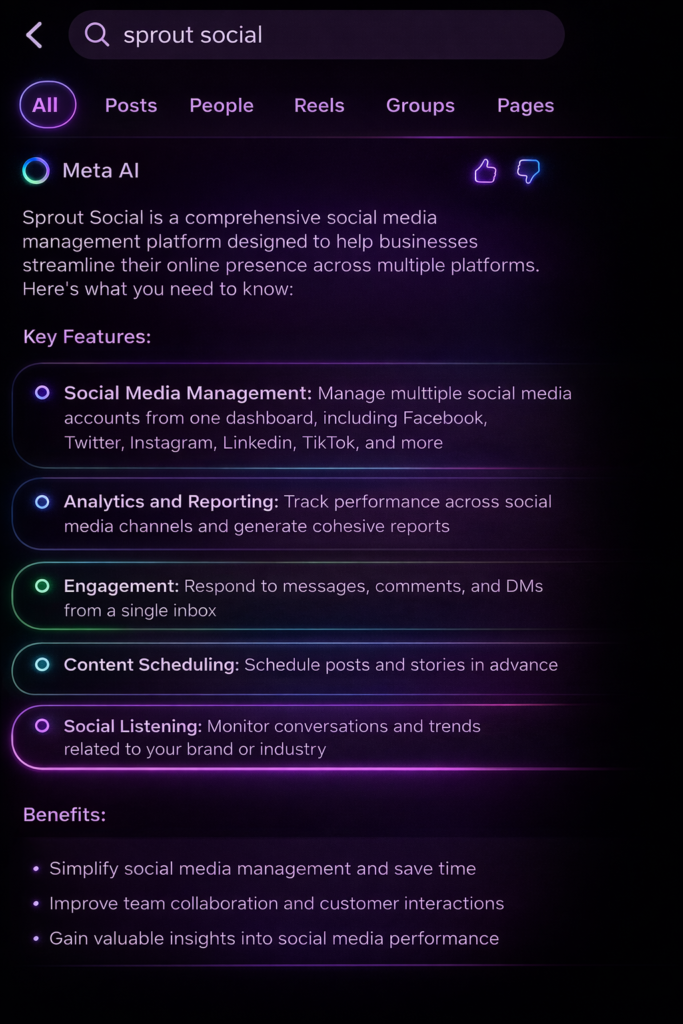
With AI-powered search features expanding across platforms, content that provides clear answers, demonstrations, and context is more likely to surface both on social and in traditional search results.
This shift means social content must now balance creativity with clarity.
What brands should do:
Optimize posts for discoverability. Use descriptive captions, clear language, and educational formats that align with how people search. Treat social content as both entertainment and information.
Final Thoughts: What Will Win in 2026
The future of social media isn’t about doing more it’s about doing what matters.
Brands that succeed in 2026 will:
- Use AI thoughtfully, not blindly
- Build communities instead of chasing virality
- Prioritize people over polish
- Create content worth returning to
- Show up with clarity, empathy, and intention
In a crowded digital world, the brands that feel most human will stand out the most.